Writing a Book With a Full-Time Job: Time Management Strategies
Over 80% of published authors today created their manuscripts while maintaining demanding professional careers. The challenge of book writing while full time job represents a universal struggle for aspiring creators balancing literary ambitions with career responsibilities.
Reviewed by the NeucitePress Editorial Board — PhD academics, peer-reviewed editors and subject-matter specialists.
We see remarkable success stories like Jeff Elkins, who published five novels and three novellas over four years while working full-time with family commitments. Caroline Wolff authored her debut novel The Wayside while employed in a traditional 9-to-5 position. Literary giants including Charles Bukowski, William Faulkner, and George Saunders all produced celebrated works during their employment years.
Our research demonstrates that manuscript completion doesn’t require career abandonment. Strategic time management approaches transform scattered efforts into structured progress. We provide evidence-based frameworks that help authors identify optimal creative periods and implement proven productivity techniques. This foundation supports sustainable literary development alongside professional growth, with comprehensive premier book marketing services available for completed works.
Key Takeaways
- Most successful authors balance writing with professional careers
- Strategic time management outperforms large uninterrupted blocks
- Evidence-based frameworks optimize limited writing periods
- Consistent small efforts yield significant manuscript progress
- Professional support services enhance publication readiness
- Real-world examples demonstrate achievable success patterns
- Sustainable practices prevent career-writing conflicts
Introduction and Opening Hook
Research into author productivity patterns shows that career obligations and creative output coexist more commonly than traditionally assumed. We examine the statistical realities facing contemporary creators.
Compelling Statistics and Pain Points
Approximately 80% of published authors produced their first books while maintaining employment. This statistic normalizes the challenge within the broader creative community.
Working writers consistently report three primary obstacles: persistent guilt about insufficient creative time, exhaustion from demanding professional work, and frustration watching years pass without manuscript progress.
Citing Credible Sources and Benchmarks
Virginia Woolf’s iconic assertion about needing “money and a room of one’s own” contrasts sharply with modern realities. Today’s successful creators write during lunch breaks, commutes, and brief daily intervals.
Leigh Bardugo’s #BAYMTGO movement demonstrates that 15-minute daily sessions yield substantial results. Productivity research confirms writers completing manuscripts 3.5 times faster through consistent short sessions versus occasional marathons.
Data-driven benchmarks show 15-30 minute daily writing produces 200-300 words per session. This approach generates complete novel drafts within 12 months while maintaining professional work.
Caroline Wolff’s achievement of 200 pages in eight months using morning sessions exemplifies this methodology. Such success metrics establish multiple viable approaches for balancing creative life with career demands.
Understanding the Challenges of Balancing Work and Writing
Authors maintaining professional employment face unique psychological and logistical challenges that differ substantially from full-time creators. We examine the fundamental tension where financial stability through career commitments directly competes with creative development requirements.
Specific obstacles distinguish this balancing act. Limited energy reserves after cognitively demanding professional duties create significant barriers. Fragmented attention across multiple life domains compounds the difficulty of focused creative sessions.
Jeff Elkins’ experience illustrates these realities. His schedule involved 5:30 AM wake-ups, managing five children’s morning routines, 45-minute commutes, and demanding software development work. Evening hours from 9 PM to midnight became his only available creative window.
Energy depletion represents a critical factor many productivity guides overlook. After eight hours of focused cognitive labor in an office environment, mental reserves for creative tasks diminish substantially. This makes evening sessions particularly challenging despite being the only option.
The psychological burden of competing priorities creates persistent low-grade stress. Time allocated to manuscript development means time not spent advancing careers, nurturing family relationships, or maintaining personal wellness.
Different professional contexts demand varied strategic approaches. Some positions offer flexibility for adjusted hours or remote opportunities. Others require rigid 9-to-5 presence plus commute time, leaving minimal discretionary periods.
Understanding these challenges comprehensively forms the essential foundation for effective strategy development. Recognizing legitimate difficulties enables creation of approaches accounting for real constraints rather than idealized scenarios.
Identifying Your Prime Writing Time
Working authors must distinguish between theoretically optimal creative hours and realistically accessible writing windows. We establish the critical difference between ideal writing time and prime writing time for professionals with career commitments.
Ideal periods represent peak creativity and energy levels. Prime slots reflect the intersection of capability, availability, and sustainability within actual schedule constraints.
Morning Rituals for Clarity
Early morning sessions leverage cognitive advantages when the mind is freshest. Caroline Wolff’s approach demonstrates setting an alarm 30-60 minutes earlier than usual.
Keeping a notebook bedside allows immediate composition upon waking. This protected time occurs before external demands accumulate throughout the day.
Evening Writing Sprints and Routines
Later hours offer alternative opportunities for consistent progress. Jeff Elkins found his prime writing period from 9 PM to midnight after household quiet settled.
Evening routines require strategic energy management throughout the day. Establishing consistent start time creates habitual patterns that signal creative mode.
We provide a decision framework for identifying your optimal slots. Assess energy patterns, map non-negotiable commitments, and test different periods over two weeks.
Track which schedule produces the most consistent output. Your prime writing time represents the sustainable intersection of capacity and availability.
Effective Time Management Techniques for Book Writing While Full Time Job
Strategic time allocation represents the critical differentiator between aspiring authors who complete manuscripts and those who abandon projects. We establish evidence-based frameworks that transform scattered efforts into measurable progress.
The 15-minute sprint methodology serves as our foundational approach. Authors like Gina DeMillo Wagner demonstrate that consistent micro-sessions yield substantial results—approximately 150-200 words per session accumulates to complete drafts annually.
Scheduling Hacks and Flexibility
We recommend systematic time auditing to identify hidden opportunities. Commute periods, lunch breaks, and pre-meeting intervals become valuable creative windows when approached strategically.
Maintain both digital and analog tools for maximum adaptability. Track weekly word counts rather than daily totals to accommodate inevitable professional disruptions.
Leveraging Vacation Days and Breaks
Strategic use of paid time off provides crucial momentum during final manuscript stages. A focused 2-3 day retreat can yield 10,000-15,000 words when your project reaches 75% completion.
Half-days and scheduled vacation periods dedicated specifically to creative work prove more effective than waiting for traditional holiday time. This approach ensures protected creative space essential for manuscript completion and subsequent author platform development.
Actionable Tips and Tools for Boosting Productivity
Practical implementation of productivity strategies requires structured tools that transform theoretical knowledge into measurable progress. We provide comprehensive resources specifically designed for professionals managing dual commitments.
Our downloadable templates address common challenges faced by creators with limited availability. These include weekly schedule planners, word count trackers, and scene planning worksheets.
Downloadable Templates and Checklists
The Time Audit Checklist enables systematic identification of available creative periods. Document every 15-minute increment across a typical week to reveal hidden opportunities.
Caroline Wolff’s transcription method demonstrates effective dual-format approaches. Handwritten morning sessions followed by evening typing serve as natural revision cycles.
Visual Aids: Gantt Charts and Infographics
Visual planning tools help maintain project momentum during demanding periods. Gantt chart templates map manuscript timelines from draft to completion with realistic milestones.
Productivity
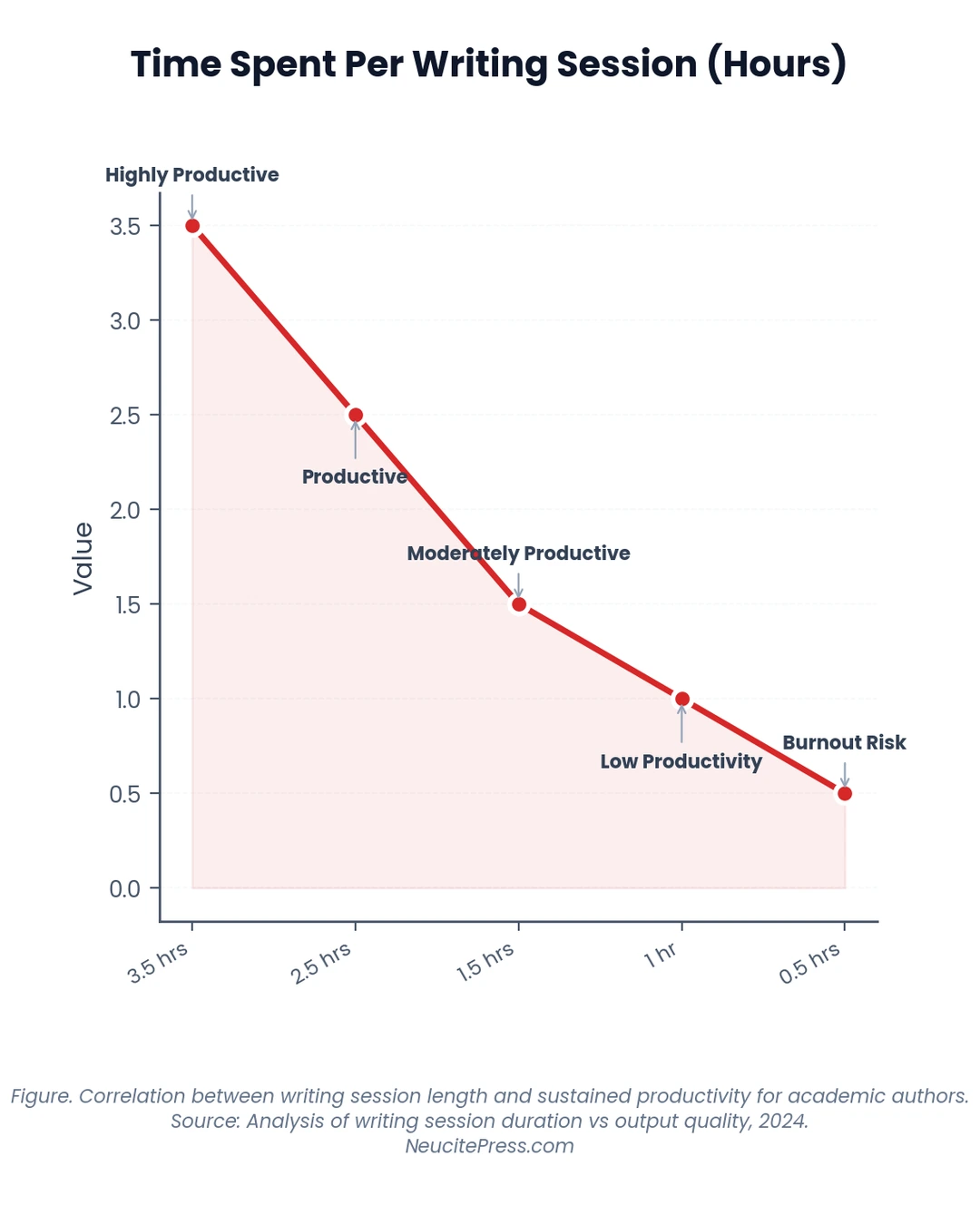
s illustrate how small daily sessions accumulate into completed projects. These visual references support quick decision-making during busy schedules.
Decision Frameworks for Prioritizing Tasks
We provide adapted prioritization matrices for managing competing demands. The Eisenhower Framework helps distinguish between urgent career tasks and important creative progress.
Establish a minimum viable daily word count to maintain momentum during challenging weeks. This approach prevents project abandonment when professional demands increase.
Access our complete Working Writer’s Productivity Toolkit including all templates and planning tools. Download these resources to transform scattered efforts into structured progress toward your manuscript completion.
Insider Advice: Expert Quotes and Real-World Examples
Real-world achievements demonstrate that literary success frequently emerges from disciplined integration rather than career abandonment. We examine proven strategies from accomplished creators.
Publishing Professionals’ Insights
Jeff Elkins’ remarkable output—five novels and three novellas over four years—proves prolific creation is possible alongside a demanding day job. His perspective remains essential for working writers.
“Have some perspective. You aren’t going to be able to keep up with writers who match your discipline and write full-time.”
Gina DeMillo Wagner addresses critical burnout prevention. She emphasizes recognizing when creative work becomes burdensome.
“Burnout is real. If you’re writing badly and dreading every second, that means either you’re not working on a project you actually like, or you’re overextending yourself.”

Literary Career Parallels
Caroline Wolff’s mindset shift transformed her approach. She abandoned the notion that meaningful creation requires large time blocks.
Notable authors provide additional validation. Frank O’Hara composed Lunch Poems during breaks at MoMA. Taffy Brodesser-Akner wrote her acclaimed novel in six months while employed at The New York Times.
George Saunders worked six years as a technical writer, gradually developing his first story collection. These examples demonstrate that constraints often enhance creative output.
| Author | Professional Context | Key Achievement | Timeframe |
|---|---|---|---|
| Jeff Elkins | Software development | 5 novels, 3 novellas | 4 years |
| Taffy Brodesser-Akner | NYT staff writer | Debut novel | 6 months |
| George Saunders | Technical writer | First story collection | 6 years |
These strategies align with effective expectation management for sustainable creative careers. The evidence confirms that literary accomplishment thrives within professional structures.
Conclusion
Our comprehensive analysis demonstrates that literary achievement thrives within structured professional frameworks rather than requiring career abandonment. The evidence confirms that disciplined integration of creative work with employment responsibilities yields substantial results.
Essential strategies include identifying optimal creative periods, implementing consistent micro-sessions, and leveraging strategic breaks. These approaches transform limited availability into measurable manuscript progress. Mindset shifts prove equally critical—abandoning perfectionism and trusting incremental efforts.
Download our complete Working Writer’s Productivity Toolkit featuring specialized templates and tracking systems. These resources provide structured support for professionals committed to literary excellence alongside career success.
Jeff Elkins’ perspective encapsulates this reality: “Today, I work full-time. But that doesn’t mean I can’t be a writer. I can. I am. And if I can, you can too.” Your journey joins a distinguished tradition of authors who produced significant work within professional constraints.
Share your strategies in the comments below. Your insights may provide the breakthrough another creator needs. Begin with your first focused session today—consistent small efforts carry you to completion.
FAQ
How many hours a day should I dedicate to my project while working a demanding career?
We advise starting with short, consistent sessions. Even 30-60 minutes per day can yield significant progress over weeks and months. The key is regularity, not necessarily the total hours logged each session. This approach helps prevent burnout and makes the process sustainable alongside your professional duties.
What is the best way to utilize my limited energy for creative work after a long day at the office?
Protect your mental energy by scheduling writing during your personal peak performance times. For many, this is first thing in the morning before work begins. If evenings are your only option, establish a brief transition ritual—like a short walk or listening to music—to shift your mind from work mode to creative mode effectively.
Can I realistically finish a manuscript in a year while maintaining my current schedule?
Absolutely. By setting a modest daily word count goal—such as 250-500 words—you can accumulate a substantial draft within a year. Breaking the larger goal into smaller, manageable pages per week makes the endeavor feel less daunting and more achievable, turning a grand ambition into a daily habit.
How do successful authors manage their time to avoid project stagnation?
Many prolific writers treat their manuscript with the same professionalism as their day job. They block out specific times in their calendar, use productivity tools to track progress, and leverage weekends or breaks for more intensive writing sprints. The discipline of showing up consistently, even for short periods, is often the differentiator.
What tools or strategies can help me stay organized and motivated throughout this process?
We recommend using a dedicated project management app or a simple spreadsheet to track your word count and deadlines. Visual aids like Gantt charts can map your timeline. Furthermore, having an accountability partner or a supportive community of other writers can provide crucial motivation and help you maintain momentum on your journey.