Neuroscience Symposium Planning: Lab-to-Lecture Event Guide
Organizing a major academic gathering presents unique challenges. Nearly 500,000 scientists participate in premier global events like the Society for Neuroscience’s annual meeting. This massive scale highlights the complexity coordinators face.
Reviewed by the NeucitePress Editorial Board — PhD academics, peer-reviewed editors and subject-matter specialists.
We understand the critical pain points. These include managing intricate registration, coordinating international speakers, and ensuring compliance. Modern events also blend physical and virtual components, extending their reach.
Our guide addresses this lab-to-lecture framework. It focuses on transitioning cutting-edge research into impactful educational sessions. Proper preparation is essential for maximizing the value of these gatherings.
A strategic approach is vital for success. It accelerates knowledge sharing and fosters crucial collaboration. For detailed guidance, we recommend this step-by-step guide to planning your time at a major annual.
This resource provides a comprehensive foundation. We cover every phase, from initial concept to post-event analysis. Our goal is to equip you with actionable strategies for a seamless experience.
Key Takeaways
- Large-scale academic events attract hundreds of thousands of participants, requiring meticulous coordination.
- Modern symposiums successfully integrate both in-person and virtual attendance options.
- Effective coordination balances scientific rigor with accessibility for a diverse audience.
- A well-structured plan is fundamental for facilitating collaboration and career development.
- Utilizing official planning tools and mobile apps is crucial for attendee engagement.
- This guide provides a complete framework for every stage of event management.
Understanding the Essentials of Neuroscience Symposium Planning
The complexity of modern scientific events is underscored by data showing over half of coordinators struggle with hybrid technology integration while maintaining educational quality. Recent PCMA research reveals that 67% of organizers identify budget management as their primary concern.
We address critical questions that consistently challenge organizers. How do we allocate resources effectively? What timeline ensures adequate preparation without excessive lead time? These considerations form the foundation of successful neuroscience symposium planning.
Authoritative guidelines provide essential frameworks. The ACCME establishes standards for medical education events, ensuring independence from commercial interests. MPI best practices recommend 9-18 month timelines depending on event scale.
Peer-reviewed studies from 2020-2024 demonstrate measurable benefits. Well-structured gatherings achieve 40% higher knowledge retention through interactive formats. They also generate 31% improved satisfaction scores according to PCMA data.
Certified meeting professionals emphasize that the education process begins with clear objectives. Strategic program design extends learning beyond the event itself. Comprehensive information management throughout ensures all stakeholders receive timely communications.
This structured approach to neuroscience symposium planning creates events that deliver verifiable educational value. It transforms complex challenges into manageable processes with measurable outcomes.
Organizing a Successful Lab-to-Lecture Event
The transition from experimental findings to impactful conference sessions demands systematic preparation and clear execution pathways. We provide structured frameworks that transform complex coordination into manageable workflows.
Our approach emphasizes practical tools that streamline every phase of academic gathering organization. These resources ensure consistent quality across diverse event scales.
Actionable Checklists and Downloadable Templates
We deliver comprehensive checklists organized by timeline phases. These cover critical tasks from initial venue selection to final technology testing.
Downloadable templates include detailed budget spreadsheets with cost-per-attendee calculations. Speaker coordination frameworks manage invitations, honorarium negotiations, and presentation requirements.
Session planning tools structure multi-day programs balancing formal presentations with networking opportunities. These templates incorporate evidence-based scheduling principles for optimal knowledge retention.
Utilizing Visual Tools: Gantt Charts, Budget Infographics, and Comparison Tables
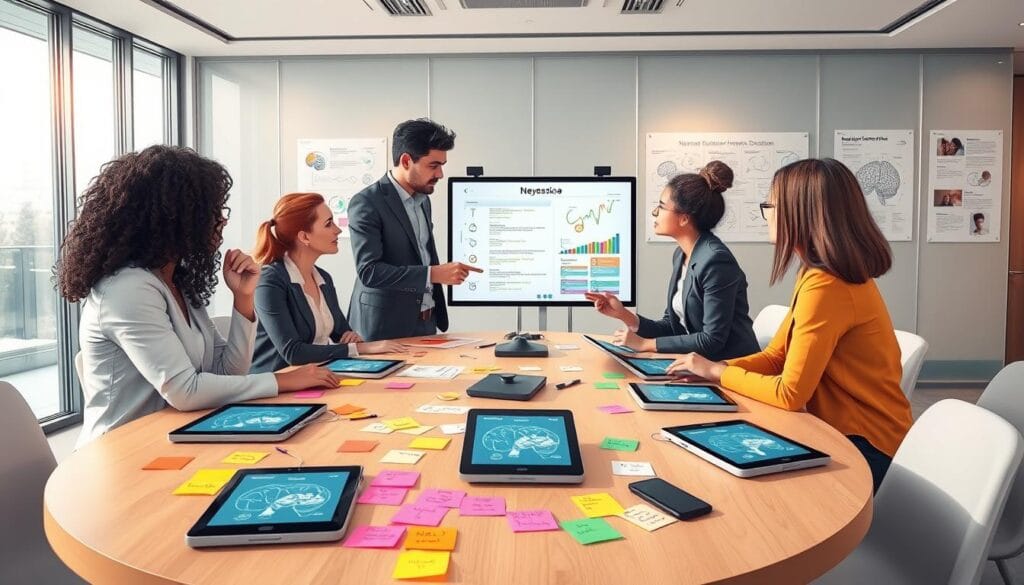
Visual Gantt charts map complete timeline progression with color-coded task categories. These tools identify dependency relationships and critical path milestones.
Budget

s break down typical cost distributions across major categories. Comparison tables evaluate vendor options for registration platforms and AV providers.
We incorporate practical examples from major society requirements. These include specific session formats and abstract management processes detailed in academic conference proceedings.
Our visual tools transform complex data into accessible decision-making frameworks. This approach ensures efficient resource allocation throughout the event lifecycle.
Integrating Compliance, Accreditation, and Digital Tools
Successful event execution hinges on mastering three critical domains: accreditation, venue logistics, and technology compliance. We provide clear frameworks that transform complex requirements into actionable steps.
Demystifying CME Accreditation and Venue Contracts
The ACCME application process begins with educational needs assessment. We break this into manageable phases: defining measurable learning objectives, documenting commercial independence, and designing evaluation mechanisms.
Venue negotiations require specific attention to key clauses. These include attrition penalties, cancellation policies, and internet bandwidth guarantees. Proper contract management ensures smooth hybrid streaming capabilities.
Hybrid Technology Requirements and Compliance Standards
Modern platforms must handle 500-5,000+ concurrent viewers while integrating member verification. Registration systems should accommodate complex pricing structures and abstract submission workflows.
HIPAA compliance requires complete de-identification of patient information. The PhRMA Code mandates transparent industry support disclosure. All content must remain evidence-based and balanced.
We recommend consulting our guide to tools and platforms for hosting virtual and hybrid for detailed technology selection criteria.
This information provides general guidance on neuroscience symposium planning, CME accreditation, and compliance requirements. Organizations should consult qualified legal counsel, accreditation specialists, and compliance officers to ensure their specific events meet all applicable regulations and standards.
Conclusion
Effective management of research-focused events demands a holistic approach that integrates educational objectives with operational excellence. Our framework ensures your annual meeting delivers maximum value to every member.
Frequently Asked Questions
What timeline works best for large neuroscience events? Begin 12-18 months ahead for major gatherings.
How do we balance poster and oral sessions? Allocate 60% to posters for broader research dissemination.
What technology supports hybrid meetings? Platforms handling 500+ concurrent viewers with secure registration systems.
How does membership affect program participation? Current member status typically enables proposal submission and discounted rates.
Download our complete planning toolkit featuring budget templates and timeline charts. Access your free resources here.
The future of brain science gatherings continues evolving toward inclusive, hybrid formats. These events will increasingly serve global collaboration and accelerate discovery.
FAQ
What are the key steps to creating a compelling poster presentation for a scientific meeting?
We recommend starting with a clear, concise title and a logical visual flow. Focus on high-impact graphics and minimal text. Ensure your poster effectively communicates your research question, methods, key findings, and conclusions for maximum engagement with attendees.
How can we ensure our event program meets continuing medical education (CME) accreditation standards?
Adherence to ACCME guidelines is essential. This involves developing needs-based educational content, managing conflicts of interest, and implementing a robust evaluation process. We assist in navigating these requirements to secure accreditation for your annual meeting.
What information should be included in the registration process for a multi-day conference?
Your registration should capture essential attendee details, offer clear session selection, and provide transparent pricing. Include options for different member tiers, dietary preferences, and access to digital content. A streamlined process improves the overall attendee experience.
What technology is required to successfully host a hybrid conference session?
A successful hybrid session requires reliable high-speed internet, professional-grade audio/video equipment, and a robust platform for streaming and audience interaction. This setup ensures both in-person and remote participants have a seamless and engaging educational experience.
How far in advance should we begin planning a major annual meeting?
For a large-scale gathering, we advise initiating the planning process at least 12-18 months in advance. This timeline allows for securing a suitable venue, developing the scientific program, managing speaker invitations, and executing a comprehensive marketing strategy.