
International Conference Logistics: A-Z Planning for Global Events
Organizing a global gathering presents unique hurdles. More than 65% of event organizers report that inflation and rising costs have severely impacted their budgets. This makes meticulous international conference logistics planning more critical than ever. We understand the pressure to deliver a seamless experience.
Reviewed by the NeucitePress Editorial Board — PhD academics, peer-reviewed journal editors and medical communication specialists.
Success requires navigating a complex web of details. This includes customs, transportation, and international regulations. Developing strong local partnerships is also essential. These layers of complexity distinguish global events from domestic ones.
We aim to demystify this process. Our guide provides data-driven benchmarks and actionable frameworks. We transform overwhelming logistics into a manageable, strategic operation. This ensures your event meets the highest standards of quality and compliance.
Key Takeaways
- Over 65% of event organizers face significant budget pressures from inflation, highlighting the need for strategic financial management.
- Global event coordination involves complex layers like customs, international regulations, and local partnership development.
- Meticulous planning is the foundational element that separates exceptional gatherings from mediocre ones.
- Key challenges include budget constraints, cross-border coordination, and multi-timezone vendor management.
- This guide offers actionable checklists and expert insights to simplify the entire process.
Opening Hook: The Urgency of Streamlined Global Event Logistics
The pressure on event organizers to deliver flawless experiences has never been greater. Industry data reveals a critical landscape. A significant 65% of professionals report that inflation severely strains their budgets.
This financial pressure makes efficient event logistics a top priority. Every detail, from vendor coordination to attendee flow, must be optimized.
Compelling Statistics and Organizer Pain Points
Common challenges create significant roadblocks. Last-minute vendor cancellations disrupt carefully built timelines. Transportation delays and technical failures directly harm the attendee experience.
These issues create a cascade effect. A single delay can impact venue access, catering, and speaker schedules. The result is compounded attendee dissatisfaction.
Citing Credible Sources for Global Event Success
We ground our strategies in evidence from leading bodies. Guidelines from PCMA and MPI provide a framework for success. The ACCME offers critical standards for specific event types.
Research validates this approach. Studies show strategic management can cut costs by 20-30%. It also boosts attendee satisfaction scores by up to 40%.
This proves the undeniable return on investment for professional event logistics management. It protects your budget and your reputation.
Mastering international conference logistics planning: Strategies for Success
Strategic frameworks provide the backbone for seamless multi-national operations. We define five critical phases that form the foundation of professional event management.
Key Phases in Global Event Preparation
The initial phase requires clear objective-setting. Organizers must articulate the event’s purpose and identify target audience demographics.
This establishes measurable success metrics aligned with organizational goals. Capacity requirements and technical needs receive thorough assessment.
Timeline development follows with detailed Gantt charts. Key milestones include venue booking deadlines and vendor contract finalization.
Resource allocation demands meticulous attention to staff assignment. Budget distribution across categories ensures adequate coverage without redundancy.
Aligning Logistical Plans with Business Goals
Every logistics decision must support broader organizational objectives. This includes brand positioning and stakeholder engagement targets.
We implement decision frameworks that prioritize tasks based on impact. These tools help optimize both cost-efficiency and experience quality.
Vendor coordination requires clear communication channels and backup relationships. This approach maintains service continuity throughout the event lifecycle.
Decoding CME Accreditation and Compliance in Global Events
Navigating accreditation standards presents critical challenges for medical event organizers. We demystify complex compliance frameworks that ensure educational integrity.
Understanding ACCME, PCMA, and MPI Guidelines
The Accreditation Council for Continuing Medical Education establishes rigorous standards. These govern educational content quality and commercial support transparency.
PCMA and MPI guidelines provide best practices for professional event management. They cover ethical vendor relationships and attendee data protection.
Navigating HIPAA and PhRMA Code Requirements
HIPAA compliance becomes essential when handling health information. Violations can exceed $50,000 per incident, making careful management imperative.
The PhRMA Code regulates pharmaceutical industry interactions with healthcare professionals. It establishes clear boundaries for appropriate exchanges during medical gatherings.
| Framework | Primary Focus | Key Requirements | Application Scope |
|---|---|---|---|
| ACCME | Educational Integrity | Conflict disclosure, outcomes assessment | CME accreditation process |
| PCMA/MPI | Professional Standards | Ethical conduct, data protection | Event management best practices |
| HIPAA | Data Security | Patient information protection | Medical data handling |
| PhRMA Code | Industry Interactions | Gift restrictions, meal limits | Pharmaceutical participation |
Professional Disclaimer: While we offer guidance on compliance issues, organizers should consult legal counsel for specific situations. Regulations evolve and interpretation varies by jurisdiction.
Navigating Venue Contracts and Hybrid Technology Requirements
The physical and digital spaces hosting your event demand meticulous attention to contractual and technical details. We demystify these complex areas to ensure operational excellence.
Negotiating Venue Contracts Effectively
A strong contract protects your interests. Key clauses require careful review. Focus on cancellation policies, force majeure, and liability insurance.
Payment schedules and exclusive vendor requirements also impact budget and flexibility. Our comprehensive venue selection framework evaluates more than just the location.
It assesses staff cooperation, union rules, and shipping logistics. This proactive approach prevents costly surprises.
| Contract Clause | Primary Risk | Negotiation Focus |
|---|---|---|
| Cancellation Policy | Financial loss from event cancellation | Reduced penalties, flexible dates |
| Force Majeure | Liability for uncontrollable events | Broad definition (pandemics, disasters) |
| Exclusive Vendors | Increased costs, limited options | Right to approve external providers |
| Payment Schedule | Cash flow strain | Lower deposits, post-event payments |
Integrating Hybrid Technology Seamlessly
Hybrid events connect in-person and remote attendees. This requires robust technology integration. Essential equipment includes professional audio-visual systems.
Reliable Wi-Fi and backup power sources are non-negotiable. Proper setup and testing are critical for a smooth experience.
We leverage essential tools and platforms for streaming and engagement. This ensures all participants have equal access to content.
Data-Driven Benchmarks: Cost Per Attendee, Honorariums, and Conversion Rates
Quantitative metrics serve as essential guideposts for evaluating event performance and cost efficiency. We analyze industry data from 2024-2025 to establish reliable financial benchmarks.
Benchmarking Event Costs and Conversion Metrics
Cost-per-attendee varies significantly by event type. Corporate gatherings average $500-$2,000 per person. Medical education events range $750-$3,000 depending on accreditation complexity.
Speaker honorariums reflect presentation value and expertise. Standard presentations command $1,500-$5,000. Keynote addresses reach $5,000-$15,000 for recognized authorities.
| Event Type | Cost Per Attendee | Conversion Rate | Speaker Range |
|---|---|---|---|
| Corporate Conference | $500-$2,000 | 70-85% | $1,500-$15,000 |
| Medical Education | $750-$3,000 | 70-85% | $1,500-$50,000+ |
| Executive Retreat | $2,000-$5,000+ | 80-90% | $5,000-$100,000+ |
Conversion rates demonstrate attendee commitment levels. Paid events achieve 70-85% registration-to-attendance rates. Free educational gatherings average 50-60% conversion.
Strategic budget allocation optimizes the attendee experience. Our comprehensive budgeting framework ensures proper resource distribution across all event logistics components.
These benchmarks provide measurable targets for success event management. They help organizers assess performance against industry standards.
Actionable Checklists and Downloadable Templates for Event Planning
Practical tools transform complex coordination into a manageable workflow. We provide structured resources that guide event planners through every phase. Our systematic approach ensures nothing gets overlooked.
Step-by-Step Checklists for Success
Our comprehensive checklists break the planning process into clear phases. They cover pre-event preparation through post-event analysis. Each checklist includes specific tasks and deadlines.
Key phases include:
- Initial concept development (12-9 months prior)
- Venue and vendor selection (9-6 months)
- Contract finalization and marketing launch (6-4 months)
- Final coordination and execution (2 months through event week)
Utilizing Decision Frameworks in the Planning Process
Decision frameworks help event planners navigate critical junctures. We provide tools for venue selection and vendor evaluation. These frameworks weigh cost against attendee experience factors.
Our templates include budget allocation matrices and risk assessment worksheets. They help your team prioritize investments by impact. This systematic approach ensures consistent decision-making.
Download our complete Event Planning Toolkit featuring 15+ templates and checklists. These resources transform coordination from overwhelming to systematic. Share them with your planning team to ensure everyone operates from the same strategic foundation.
Incorporating Visual Elements: Gantt Charts, Budget Infographics, and Comparison Tables
Professional organizers leverage visual elements to transform intricate coordination into clear roadmaps. These tools create shared understanding across teams and stakeholders.
Visual documentation bridges communication gaps in complex operations. It makes abstract schedules tangible and actionable for everyone involved.
Using Gantt Charts for Timeline Management
Gantt charts display project timelines with task dependencies and milestones. They show which activities must complete before others can begin.
Color-coding tasks by category enables quick visual reference. Clear ownership assignments ensure team members understand their deadlines.
Designing Effective Budget Infographics and Comparison Tables
Budget infographics present financial data through accessible visual formats. Pie charts show percentage allocation across major spending categories.
Comparison tables enable systematic evaluation of options. They use consistent criteria to assess venues, vendors, and technology platforms.
| Visual Tool | Primary Function | Best Use Case | Recommended Software |
|---|---|---|---|
| Gantt Chart | Timeline visualization | Project scheduling | Microsoft Project, Asana |
| Budget Infographic | Financial data presentation | Stakeholder reporting | Canva, Adobe Illustrator |
| Comparison Table | Option evaluation | Vendor selection | Excel, Google Sheets |
These visual elements serve multiple management functions. They coordinate distributed teams and identify potential conflicts early.
Balancing Logistics: Transportation, Vendor Coordination, and Security Measures
Three operational pillars support successful large-scale gatherings. These elements require synchronized management to ensure seamless attendee experiences. We provide detailed frameworks for each critical area.
Streamlining Transportation and Vendor Coordination
Effective transportation logistics begin with comprehensive flight tracking. We monitor arrivals from multiple countries to anticipate delays. This allows for real-time shuttle schedule adjustments.
Our coordination system includes vehicle tracking technology. Staff maintain constant communication with drivers and attendees. This ensures smooth airport-to-venue transfers.
Vendor management requires meticulous scheduling. We establish clear delivery windows aligned with venue access. Backup providers stand ready for critical services.
Enhancing Event Security and Safety Measures
Security protocols protect all participants and equipment. We conduct thorough venue assessments before each gathering. This identifies potential access points requiring monitoring.
Our safety plans include trained medical response teams. They maintain relationships with local hospitals for emergencies. All staff understand evacuation routes and assembly points.
We implement credential systems to control venue access. Professional security personnel monitor high-traffic areas. These measures create a secure environment for productive engagement.
Leveraging Expert Insights: CMPs and Medical Education Directors Quote Highlights
Professional wisdom from seasoned practitioners illuminates the human element behind technical execution. Experienced meeting professionals and medical education directors consistently reinforce a few key lessons.
Their collective experience reveals how strategic relationships overcome operational hurdles. These insights build trust through credible industry practice.
Expert Opinions on Global Logistical Challenges
Relationship fundamentals matter most. Successful coordination depends heavily on relationship management alongside technical execution — the vendors and local partners you cultivate make the difference between an event that merely happens and one that truly succeeds.
Compliance integration is equally important. Every decision must balance attendee experience with regulatory requirements.
Real-World Case Studies and Testimonials
The 2024 International Cardiology Summit demonstrated crisis management excellence. The team overcame a venue technology failure 36 hours before opening.
They activated backup equipment contracts and negotiated transportation alternatives. This ensured seamless experiences for 3,500 attendees from 68 countries.
Cultural intelligence is also critical for global events. Underestimating differences in service timing and networking expectations creates avoidable challenges.
| Focus Area | Primary Insight | Key Application |
|---|---|---|
| Relationship Management | Relationship-focused management | Vendor partnership development |
| Regulatory Compliance | Compliance-integrated planning | Regulatory decision frameworks |
| Cultural Intelligence | Cultural intelligence | Cross-cultural attendee experience |
These insights collectively suggest that exceptional execution requires equal parts preparation and adaptability. This experience distinguishes adequate coordination from outstanding management.
Internal and External Links: Enhancing Credibility with Authoritative Sources
Building credibility requires grounding your event management in verified sources. We connect you directly to industry authorities and regulatory bodies. This approach ensures your decisions align with current standards.
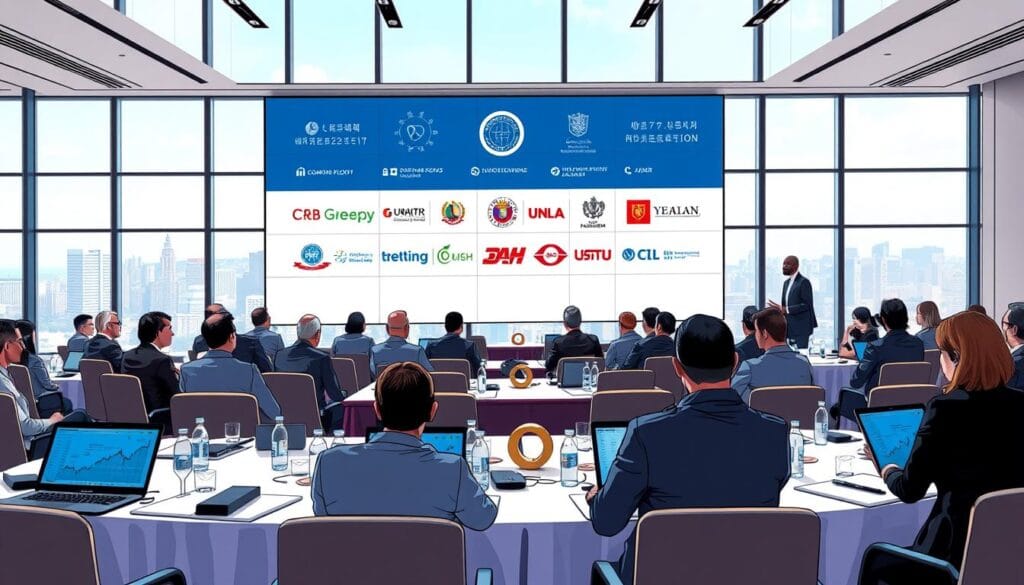
Our resource framework includes essential organizations and research publications. These provide the foundation for professional execution.
Integrating Credible Industry Resources and Disclaimers
We maintain current links to leading industry associations. ACCME establishes accreditation standards for medical education. PCMA and MPI publish best practices for professional management.
Peer-reviewed research validates our methodologies. Journals like Event Management document logistics efficiency studies. These sources provide evidence-based approaches.
| Resource Type | Primary Function | Key Organizations | Best Use Case |
|---|---|---|---|
| Industry Standards | Professional guidelines | ACCME, PCMA, MPI | Compliance verification |
| Regulatory Guidance | Legal requirements | HHS, PhRMA, FDA | Risk management |
| Research Publications | Evidence-based practices | Event Management journal | Methodology validation |
| Practical Tools | Operational support | State Department, currency converters | Daily coordination |
Professional Disclaimer: This guide offers general best practices based on industry standards. It does not constitute legal or compliance advice. Consult qualified professionals for specific situations.
We provide internal links to our detailed frameworks. These include technology selection guides and contract checklists. External resources cover travel advisories and regulatory updates.
Conclusion
The culmination of successful event management lies in strategic execution and continuous improvement. We have outlined the essential pillars that transform complex coordination into exceptional participant experiences.
Our systematic approach ensures comprehensive coverage across venue selection, transportation, vendor relationships, and compliance requirements. This methodology delivers measurable returns through cost savings and enhanced attendee satisfaction.
Download our complete toolkit featuring professional templates and checklists. These resources streamline your international conference logistics planning process from concept to execution.
Subscribe for ongoing insights into emerging best practices and regulatory updates. Share this guide with your team to establish a foundation for logistics excellence.
With disciplined planning and expert guidance, you can deliver outstanding events that achieve organizational goals and build lasting reputations for quality.
FAQ
What are the most critical aspects of vendor coordination for a large-scale gathering?
Effective vendor coordination hinges on clear communication, detailed contracts, and a centralized management system. We prioritize establishing a single point of contact for all suppliers, from audiovisual teams to catering services, ensuring seamless integration and timely setup. This approach minimizes delays and resolves potential issues before they impact the attendee experience.
How do you ensure attendee safety and robust security measures at your events?
A>We develop a comprehensive safety and security plan tailored to each venue’s specific layout and local regulations. This includes collaborating with professional security staff, implementing clear emergency protocols, and utilizing technology like access control systems. Our team conducts thorough risk assessments to address all potential challenges, ensuring a secure environment for everyone involved.
What technology and apps do you recommend to enhance the event experience for participants?
A>We leverage dedicated event apps like Cvent or Whova to centralize communication, provide real-time schedules, and facilitate networking. These platforms improve engagement by allowing attendees to access maps, session details, and important updates directly on their mobile devices. Integrating such technology streamlines the entire process and adds significant value for participants.
How do you manage transportation logistics, especially in cities with complex public transportation systems?
A>Our management process includes a detailed analysis of the host city’s public transportation options and potential bottlenecks. We provide attendees with clear guides, shuttle services from key locations like airports and major hotels, and real-time travel updates through our event app. For larger events, we often partner with local transportation vendors to offer dedicated, reliable service.
What is your approach to contingency planning for unexpected issues during an event?
A>Contingency planning is integral to our success. We create detailed backup plans for critical areas such as technology failure, vendor no-shows, or severe weather. Our on-site team is trained to execute these plans swiftly, ensuring minimal disruption. We also maintain open lines of communication with all stakeholders to manage any situation effectively as it arises.
