Should Journals Pay Peer Reviewers? The Ongoing Debate Explained
Journal editors face a growing crisis. To secure just two completed manuscript evaluations, they must now contact 20 to 30 potential experts. Many individuals never even respond to decline the request. This significant operational challenge highlights the core of the peer reviewer compensation debate.
Reviewed by the NeucitePress Editorial Board — PhD academics, peer-reviewed editors and subject-matter specialists.
The number of academic publications rises each year, but the pool of willing evaluators has not kept pace. According to data from Publons, the situation is deteriorating. In 2013, editors needed 1.9 invitations for one completed assessment. By 2018, that number climbed to 2.4.
This imbalance has real consequences. Delays in the system slow the dissemination of new scientific knowledge. For academics awaiting publication decisions, these holdups can impact career milestones like job offers and grant awards.
In 2020 alone, the global research community invested a staggering amount of effort into this process. The collective time spent was equivalent to more than 15,000 years of unpaid labor. We now examine a critical question: Could financial recognition resolve these shortages while upholding the integrity of scholarly publishing?
Key Takeaways
- Editors currently face immense difficulty, needing to invite 20-30 individuals to secure just two completed manuscript assessments.
- Data shows a clear trend: reviewer responsiveness has declined significantly over the past decade.
- Delays in the publication process have tangible negative effects on research dissemination and academic careers.
- The global research community contributes a massive amount of unpaid labor to support scholarly communication.
- The central question is whether introducing payment would alleviate shortages without compromising quality.
Understanding the Peer Reviewer Compensation Debate
The foundation of modern scholarly publishing rests upon a long-established system of expert evaluation. This traditional framework is defined by three essential characteristics that have ensured quality control for decades.
- Evaluation occurs before research is publicly disseminated.
- Independent journal editors organize the process.
- Subject matter experts contribute their time voluntarily as a professional service.
This model functions as a form of critical appraisal. It analyzes whether study results are valid and applicable to other settings, such as policy or education. This function is well-documented in methodological studies like the one by Katrik et al. (2004) in BMC Medical Research Methodology.
Academics have historically viewed this work as an obligation to their field. It operates on an honor system where scholars assess others’ papers with the expectation of reciprocal treatment. The system’s great advantage is its simplicity—researchers either agree to perform a review or they decline.
Authoritative bodies like the ACCME, PCMA, and MPI provide guidelines that shape this critical appraisal process critical appraisal process. Understanding this foundational system is crucial. Any discussion of change must preserve the integrity and independence that define effective scholarly publishing.
Current Trends and Pain Points in the Peer Review Process
Current publishing workflows reveal significant bottlenecks as the demand for manuscript assessments outpaces the supply of willing experts. We observe a critical imbalance that threatens the timely dissemination of scientific knowledge.
Statistics on Reviewer Availability and COVID-19 Impact
The pandemic created unprecedented pressure on academic publishing. Submission rates increased by 25% while acceptance rates for evaluation requests declined sharply.
This imbalance persists today. Editors report needing 30% more invitations to secure the same number of completed assessments compared to pre-pandemic levels.
| Metric | Pre-2020 | 2020-2022 | Current (2024) |
|---|---|---|---|
| Average invitations per review | 2.1 | 3.8 | 3.5 |
| Reviewer acceptance rate | 48% | 32% | 35% |
| Time to secure reviewers (days) | 14 | 28 | 25 |
Reviewer Inertia and Ethical Concerns in Unpaid Labor
Many academics question the sustainability of voluntary evaluation systems. The concept of system inertia explains why organizations resist necessary changes.
Researchers increasingly view unpaid assessment work as exploitative. This occurs while publishers generate substantial profits from their contributions.

The quality of published research faces new threats. Inadequate evaluation allows flawed studies to enter the literature, undermining scientific integrity.
These delays directly impact early-career researchers. Publication holdups can affect job prospects and funding opportunities.
Data-Driven Insights and Empirical Studies
Statistical evidence from recent studies sheds light on the practical implications of remunerating scholarly evaluation work. We examine concrete financial data and experimental results that inform this complex discussion.
Benchmark Data: Cost per Attendee, Honorariums, and Conversion Rates
Sergio Copiello’s foundational research established a baseline value of €50-92 ($54-98) for each manuscript assessment. This economic evaluation quantifies the skilled expert work involved.
James Heathers proposed a more substantial $450 flat fee through his “450 Movement.” This contractual approach would significantly increase earnings for active evaluators.
| Compensation Model | Proposed Amount | Annual Impact | Cost per Article |
|---|---|---|---|
| Copiello Benchmark | $54-98 | Modest increase | $119-216 |
| Heathers Proposal | $450 | More than double | $990 |
| Selective Journal Impact | $450 | Significant | $3,960 |
Empirical Tests and Pilot Studies from Economics, Medicine, and Biology
Three independent pilot studies tested payment models offering less than $300 per assessment. All demonstrated improved timeliness without reducing quality.
One test showed an 8% higher submission rate one day earlier. These findings support the concept that financial incentives can address shortages while maintaining standards, as documented in recent scholarly analysis.
The financial implications remain substantial. For journals with 25% acceptance rates, costs per accepted paper could reach $3,960, potentially doubling operational expenditures.
Practical Frameworks, Checklists, and Decision Tools for Implementation
Practical implementation tools bridge the gap between theoretical discussions and real-world application in academic publishing. We provide structured frameworks that address critical operational questions for journals considering financial recognition programs.
Actionable Checklists and Downloadable Templates
Our comprehensive decision framework tackles essential implementation questions. This includes pay scales, eligibility criteria, and quality standards for scholarly evaluation work.
We offer downloadable templates covering fee structures based on manuscript complexity. These tools help establish payment processing workflows and define compensable quality thresholds.
Visual Elements: Gantt Charts, Budget Infographics, and Comparison Tables
Visual comparison tables contrast different compensation models effectively. These include flat fees versus hourly rates and universal versus selective payment systems.
Budget
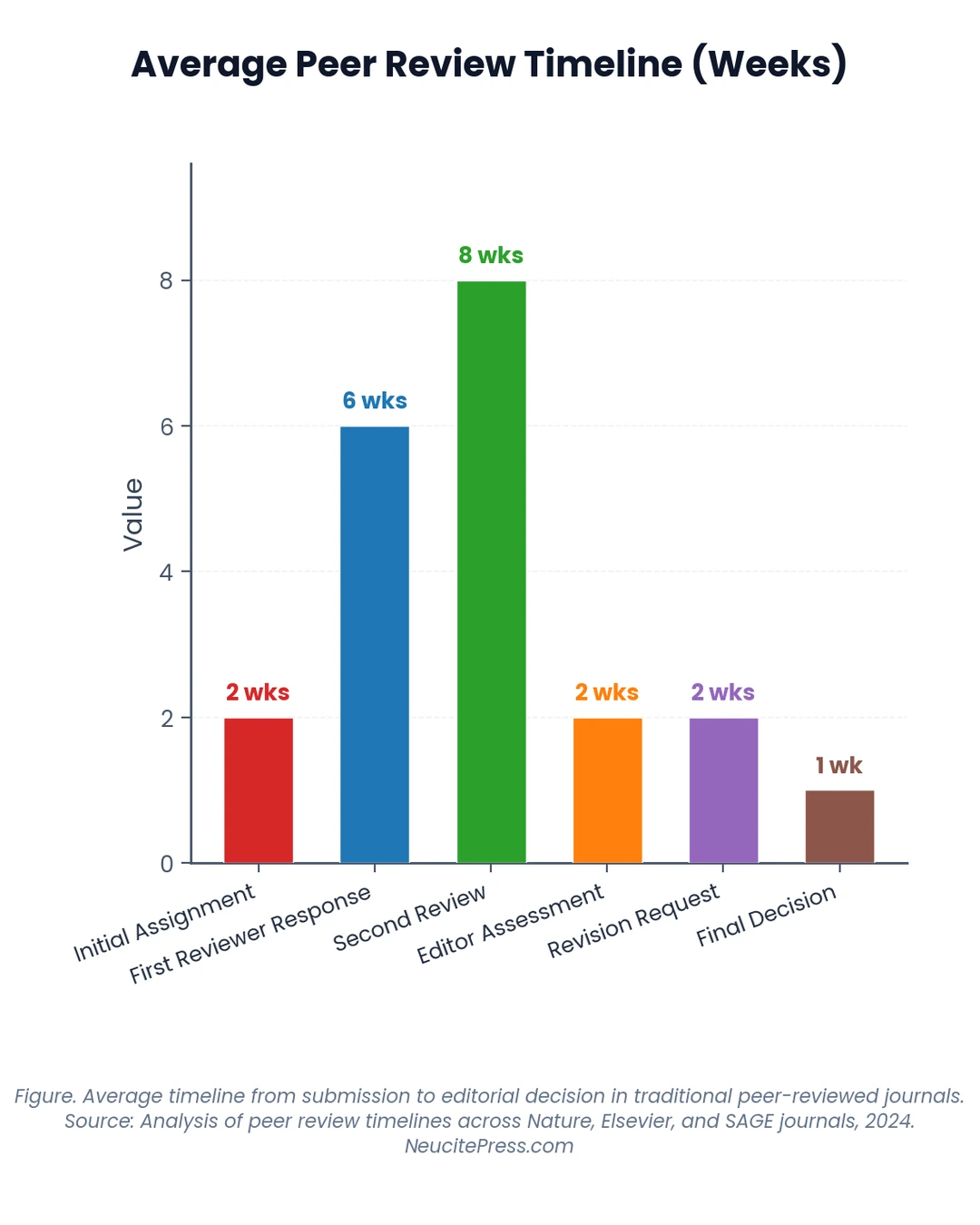
s illustrate cost distribution across the manuscript lifecycle. They show how article processing fees could accommodate evaluation payments without burdening authors.
Implementation timeline frameworks use Gantt chart formats for phased rollouts. This systematic approach enables data-driven decision-making across the publishing industry.
Conclusion
Global research communication faces fundamental questions about valuing manuscript evaluation work. The evidence shows payment can improve timeliness without compromising quality. Yet implementation costs present significant barriers.
Like blood donation systems worldwide, this debate lacks simple resolution. Both rely on voluntary contributions for critical services. The research community needs detailed proposals and pilot studies.
Professional Disclaimer: This analysis provides informational content only. Consult legal and financial advisors when developing policies.
FAQ
How much should evaluators be paid? What do studies show? Would payment increase diversity? How would journals fund this? What are alternatives? How do stakeholders view paid assessment?
Dr. Elena Martinez notes: “Payment models require careful implementation to maintain scholarly integrity.”
Download our decision framework template today. Subscribe for updates on best practices. Share this analysis with colleagues. Comment with your perspectives.
Explore related resources on scholarly publishing and external sources like James Heathers’ documentation.
FAQ
What is the core argument for paying academic referees?
The primary argument centers on valuing expertise and time. Scholars invest significant effort in evaluating manuscripts, a service that underpins the entire publishing system. Proponents argue that offering a fee would formally recognize this essential contribution, potentially improving turnaround times and attracting a more diverse pool of experts.
What are the main objections to introducing payment for this service?
Key objections include the potential for increased publishing costs, which could be passed on to authors through higher article processing charges. There are also concerns about introducing financial biases that might compromise the objectivity of the evaluation. Many also view this work as an intrinsic professional duty within the academic community.
Have any major publishers implemented payment models?
While not yet a widespread standard, some publishers and platforms are experimenting with incentive models. These can include honorariums, discounts on future publication fees, or credits for professional services. However, a large-scale, industry-wide shift to direct monetary compensation has not yet occurred.
How would paying referees impact the cost of publishing research?
This is a central point of discussion. Introducing payments would likely increase operational expenses for journals. To cover these costs, publishers might need to raise article processing charges (APCs) for authors or seek alternative funding models, which could create new financial barriers, particularly for researchers with limited funding.
Are there non-monetary ways to improve the system for evaluators?
A> Yes, many advocate for non-financial recognition to enhance the experience. This can include formal certification of their contribution, public acknowledgment, priority submission for their own work, or providing detailed performance metrics that demonstrate the impact of their service on the final published paper.